
Kalamazoo Surgeon Fast-Tracks Research Results, Initiating Life-Changing Outcome for Local Patient
May 13, 2025 – Kalamazoo, MI
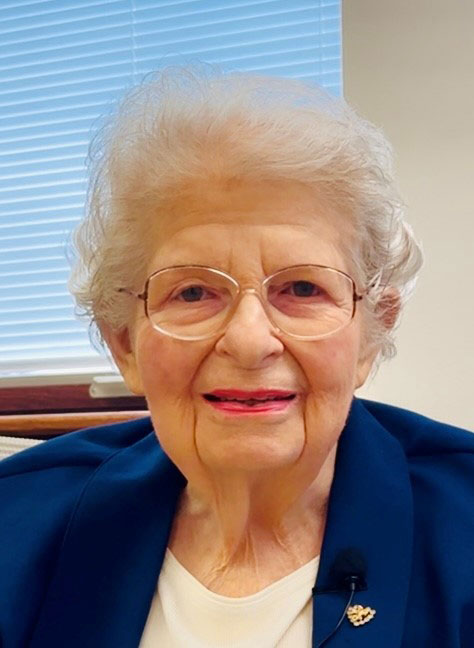

A promising new approach to treating advanced melanoma is changing lives in West Michigan, thanks to clinical efforts led by Dr. Laurence E. McCahill, a board-certified surgical oncologist at West Michigan Cancer Center (WMCC) and Professor of Surgery at Western Michigan University Homer Stryker M.D. School of Medicine (WMed).
Dr. McCahill reviewed new research highlighting changes in the surgical management of melanoma and measures to implement those changes in an article published in the March 2025 edition of the American Journal of Surgery¹. In his review, Dr. McCahill concluded that initiating immunotherapy before surgery—called neoadjuvant immunotherapy—can significantly improve survival rates for patients with clinically advanced melanoma. The research reflects a major shift in how melanoma is treated, prioritizing individualized care that improves long-term outcomes while minimizing unnecessary surgery and side effects.
For 91-year-old Nadine Sikorski of Colon, Michigan, the results have been nothing short of life changing. Sikorski is the first of Dr. McCahill’s melanoma patients to experience a complete response after receiving immunotherapy prior to surgery.
“I told the doctor that my to-do list is long. I need to get rid of this so I can go on with life,” Sikorski said. “And here I am, 91 years old.”
Sikorski’s journey began when she visited a dermatologist for a complete body check. At that time, she was aware of an existing mole on her right arm–present for many years but considered benign. The dermatologist was suspicious and ordered a biopsy, which revealed melanoma. Sikorski was then referred to Dr. McCahill at WMCC who ordered a lymph node biopsy to determine if the cancer had spread. The result was positive, with subsequent MRI and PET/CT scans confirming the result—clinically advanced stage 3 melanoma.
Dr. McCahill then conferred with Sikorski’s medical oncologist, Dr. Dustin Bivins at Bronson Cancer Center, on her treatment options. Together, they agreed she was an excellent candidate for neoadjuvant immunotherapy. When presented the options, which included traditional chemotherapy, Sikorski chose immunotherapy.
She received two rounds of immunotherapy, followed by a CT scan, which showed the infusions worked. There was no remaining cancer in the lymph node. That cleared the way for surgery on the cancerous mole and lymph node. The final pathology report following surgery caused the biggest excitement among the doctors and the patient. “The tests came back negative… hooray, hooray,” Sikorski recalled. “Everybody was cheering when I came in to see Dr. McCahill for the results. It was a bigger deal than I thought.”
Her remarkable response meant she avoided a full year of additional immunotherapy. “Dr. McCahill made my life go on,” Sikorski said. “I’m really pleased with the staff. They have been so friendly and helpful. It makes you feel like life is worth living when other people recognize that you are still alive—and you have a future.”
Dr. McCahill’s work continues to shape national melanoma care standards. His original research study, “Better-Defined Morbidity of Sentinel Lymph Node Biopsy in Patients with Melanoma”² , published in the Annals of Surgical Oncology in May 2025, offers insight into the risks and benefits of sentinel lymph node biopsy (SLNB)—a key diagnostic tool. The findings help identify which patients benefit most from SLNB, minimizing complications like fluid buildup, infection, and limb swelling.
“This is an exciting time in melanoma care,” said Dr. McCahill. “We are moving toward a more multidisciplinary, patient-centered model that leverages the latest research to guide individualized treatment plans. It’s not just about removing cancer—it’s about improving long-term outcomes and quality of life.”
West Michigan Cancer Center remains at the forefront of these innovations, bringing cutting-edge melanoma care to patients across the region—including inspiring survivors like Nadine Sikorski.
For more information or to schedule a consultation, visit wmcc.client.pmsi.dev.
¹ Study published in the March 2025 edition of the American Journal of Surgery.
² Study published in the May 2025 edition of the Annals of Surgical Oncology.